Returns & Quality — why units come back
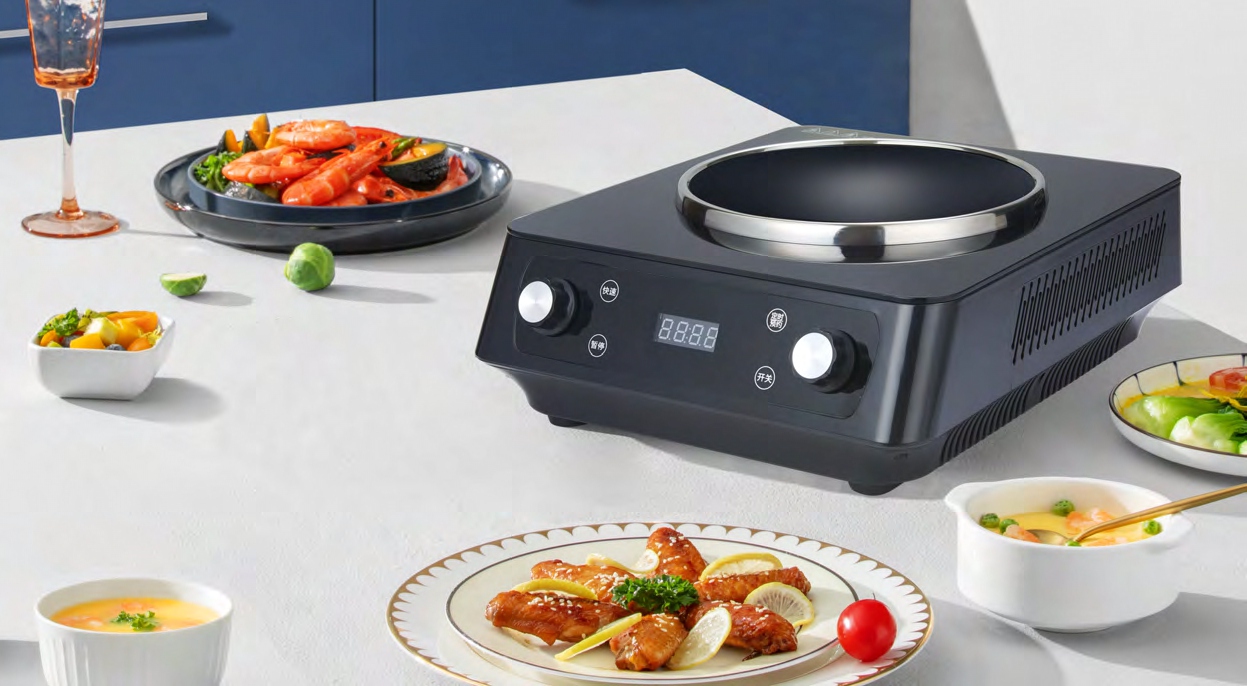 RETURNS
Your Cookers Arrive Dead — the IGBT Shortcut Behind 100% Refunds
A dead-on-arrival unit is a 100% refund. The cause is usually a cheap IGBT or bad solder — and a burn-in test before shipment prevents it.
Read article → RETURNS
Cracked Glass on Arrival — Why Cheap Ceramic Glass Is Pure Loss
Cracked glass on arrival is pure loss: no repair, no resale. The fix is grade-A glass and a drop-tested carton, specified up front.
Read article →
RETURNS
'It Heats Slowly' Complaints — the Copper-Coil Shortcut Behind the Return
'It doesn't heat properly' triggers a return even when the unit works. The culprit is usually an aluminum-clad coil.
Read article →Reliability in Tough Markets — why units fail in the field
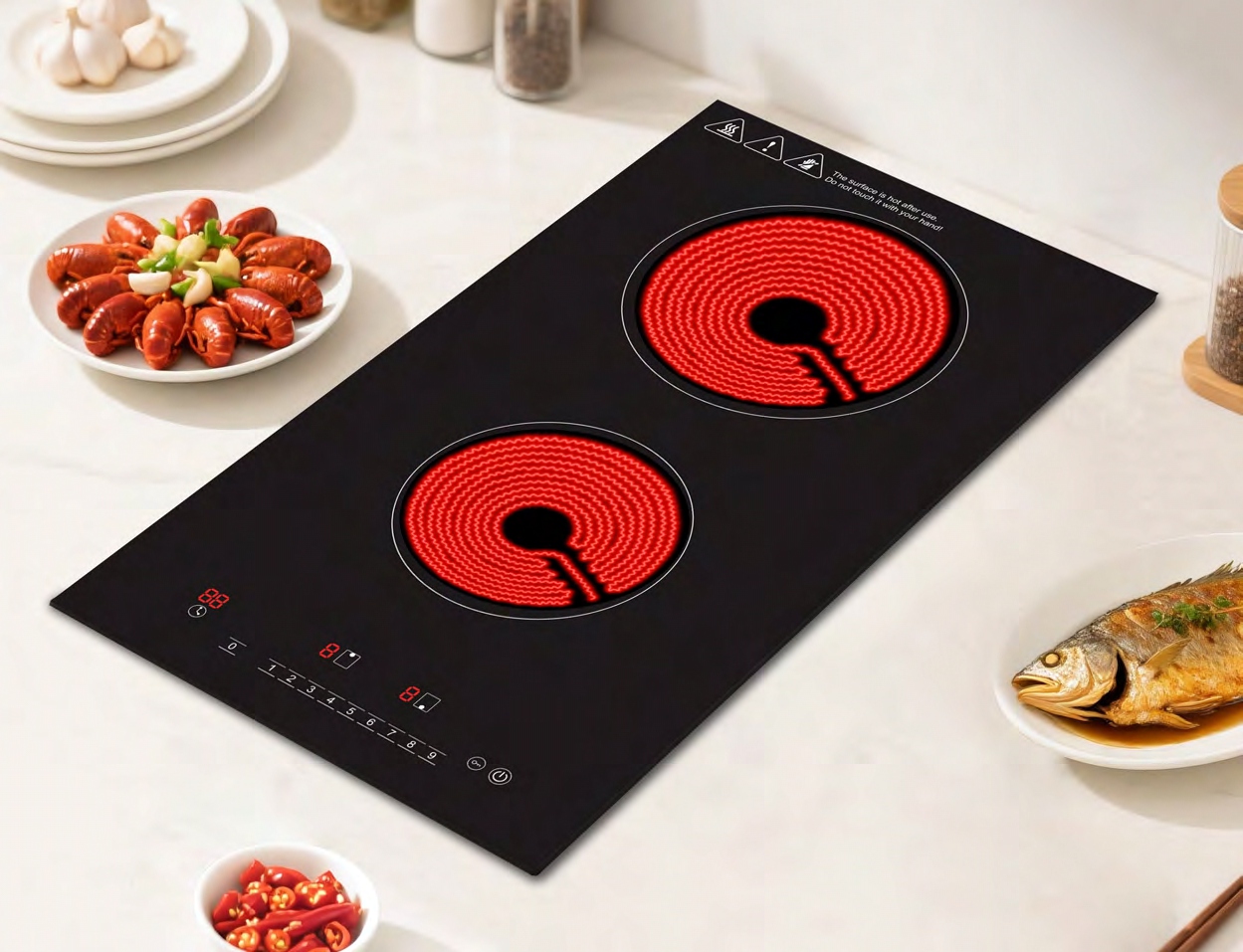 RELIABILITY
Cookers Shut Down Mid-Service — Why a Weak IGBT Kills Sales in Hot Kitchens
In 40C kitchens the IGBT overheats and cuts out mid-service. Oversize it and demand a continuous-duty rating.
Read article →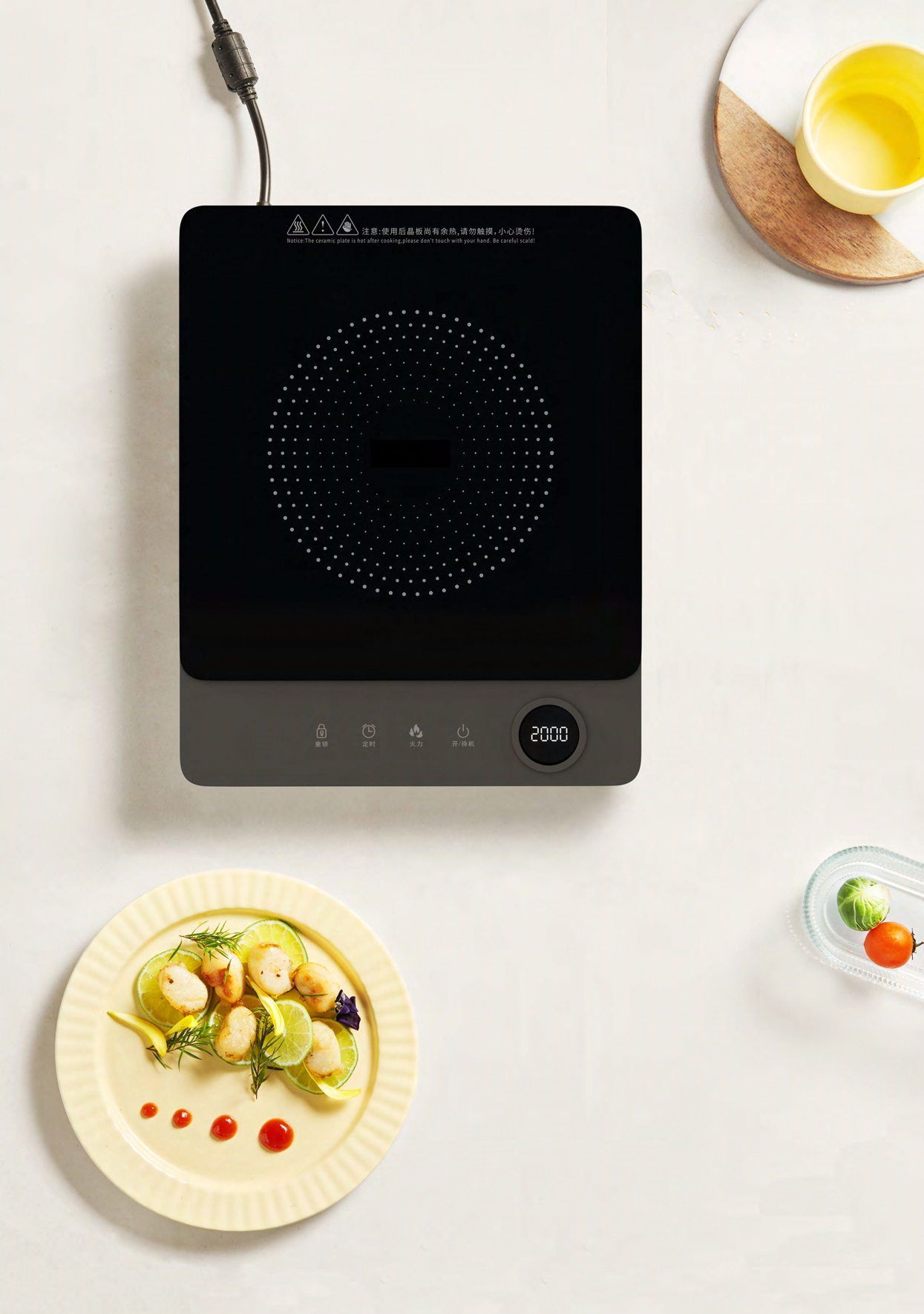 RELIABILITY
Dust Chokes the Fan — the Silent Killer of Cookers in Tough Markets
Dust chokes the cooling fan and the unit cooks itself. The fix is a serviceable fan — not a scrapped unit.
Read article →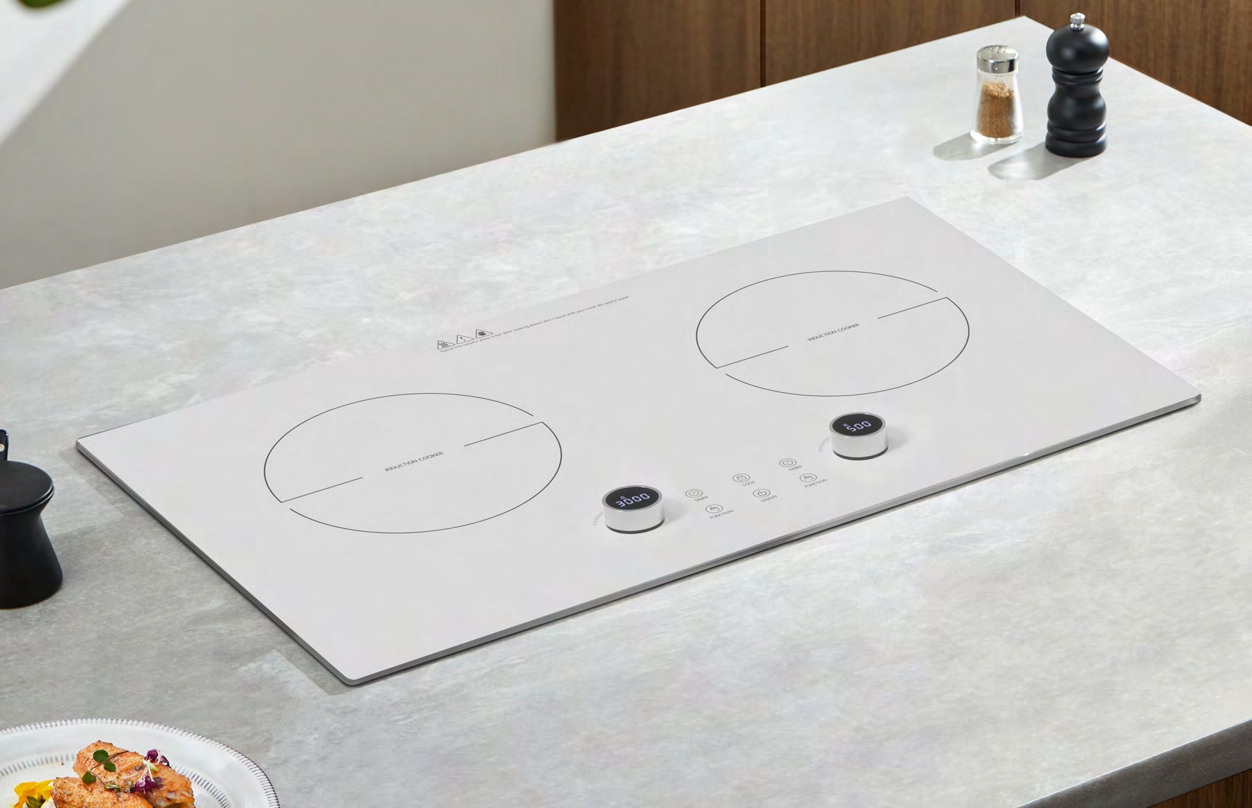 RELIABILITY
One Voltage Spike Fried the Board — the Spec That Protects Your Margin
One grid spike can fry the board. Surge protection and wide-voltage tolerance turn a warranty claim into a non-event.
Read article →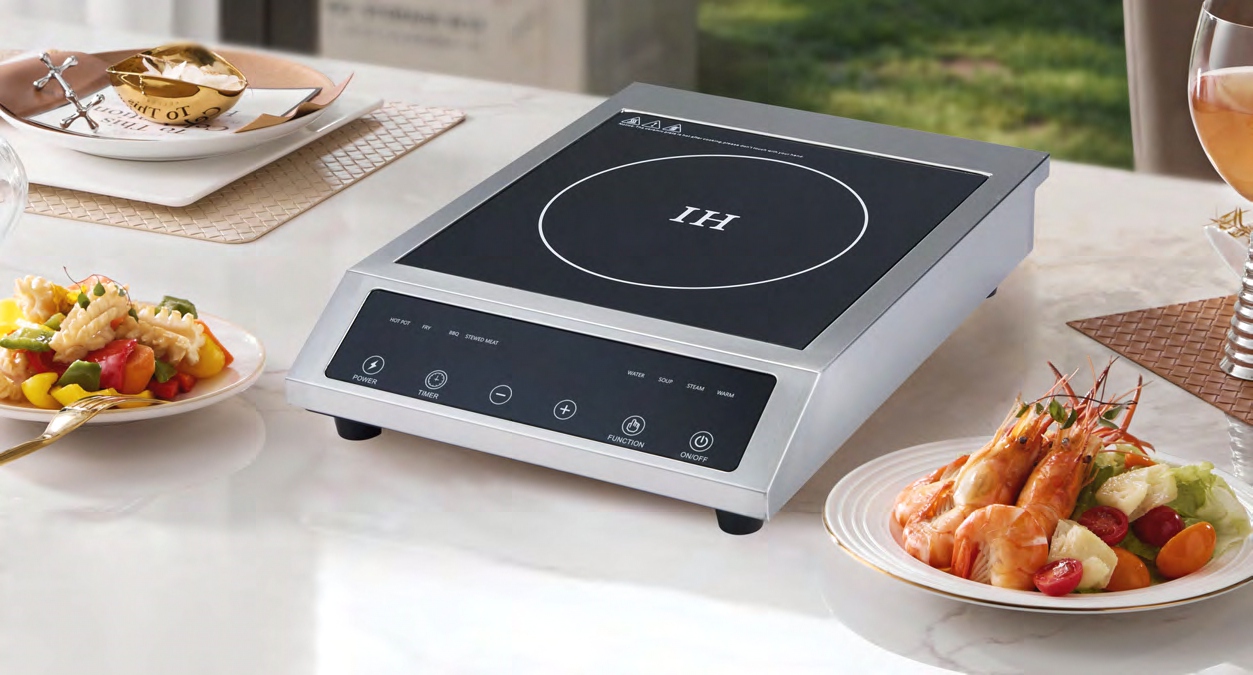 RELIABILITY
Your Cookers Die in the Heat - but You Can Spec 2 or 4 Cooling Fans
A single fan can't cool the IGBT in 40C markets - the unit dies. Spec 2 or 4 fans to your duty cycle and stop the returns.
Read article →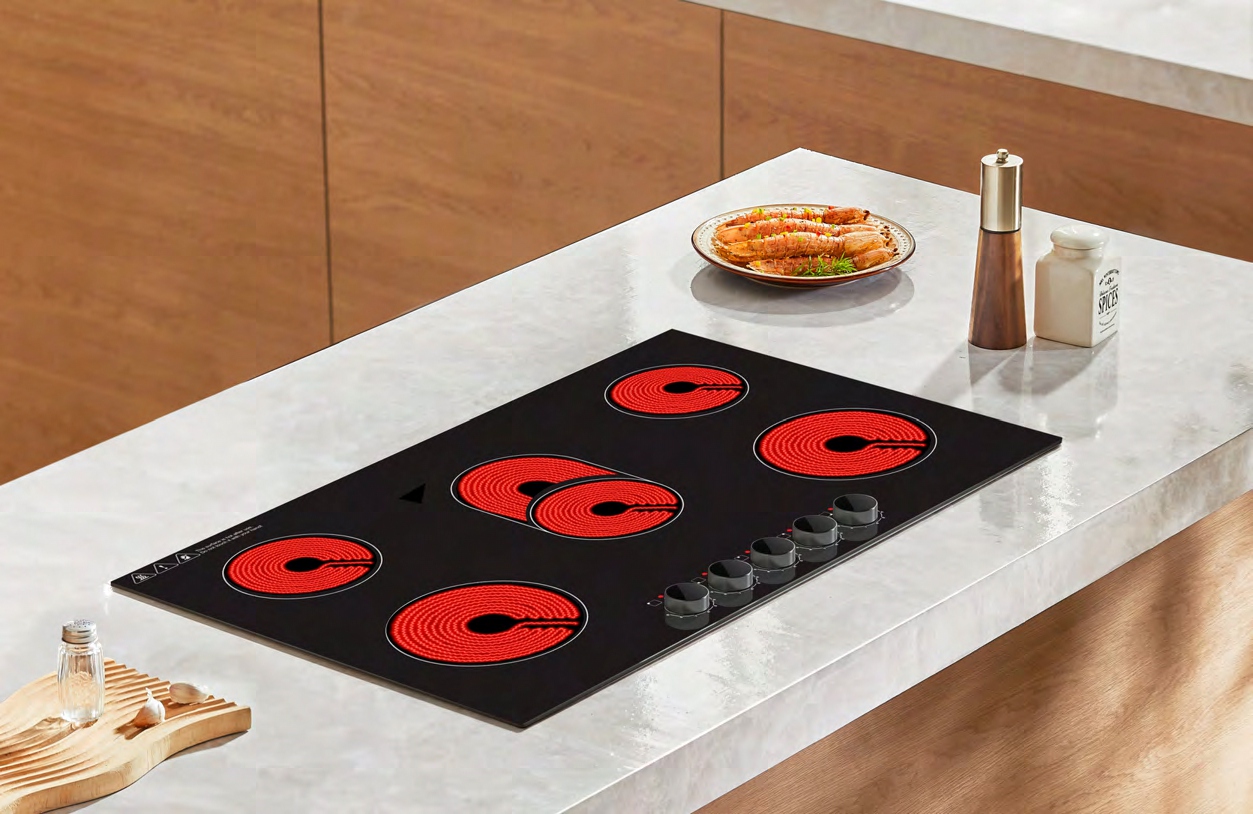 RELIABILITY
Cockroaches Fried Your Client's Cooker - the Insect-Proof Build That Stops It
Insects crawl into the cooker and short the board - a claim you pay for. A sealed, insect-proof build keeps bugs out.
Read article →Customs & Compliance — why containers get held
 CUSTOMS
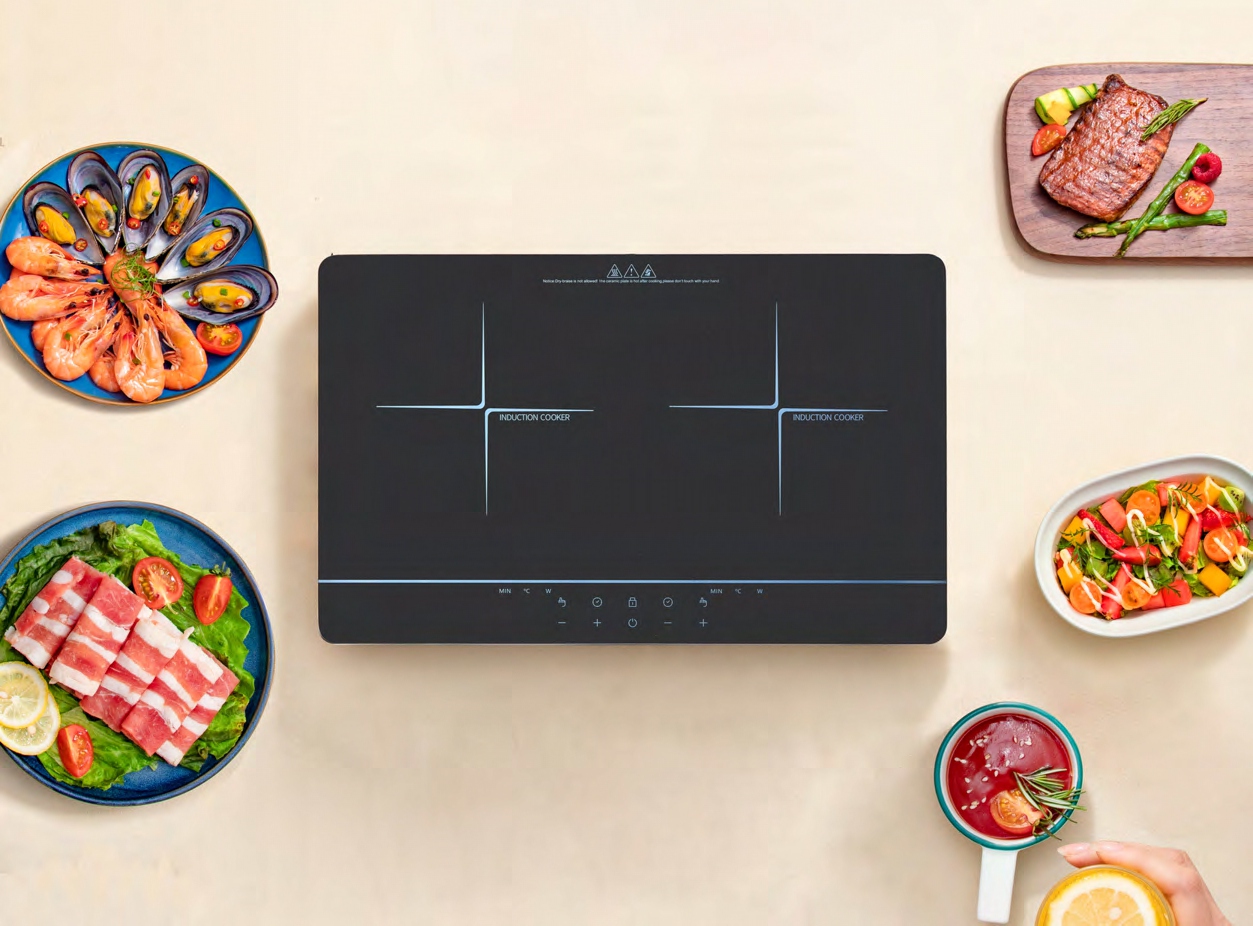
The Wrong Plug Held Your Whole Container — a $0.30 Decision Made Too Late
Wrong plug = a held container. Lock the plug at tooling — a $0.30 decision made in time.
Read article →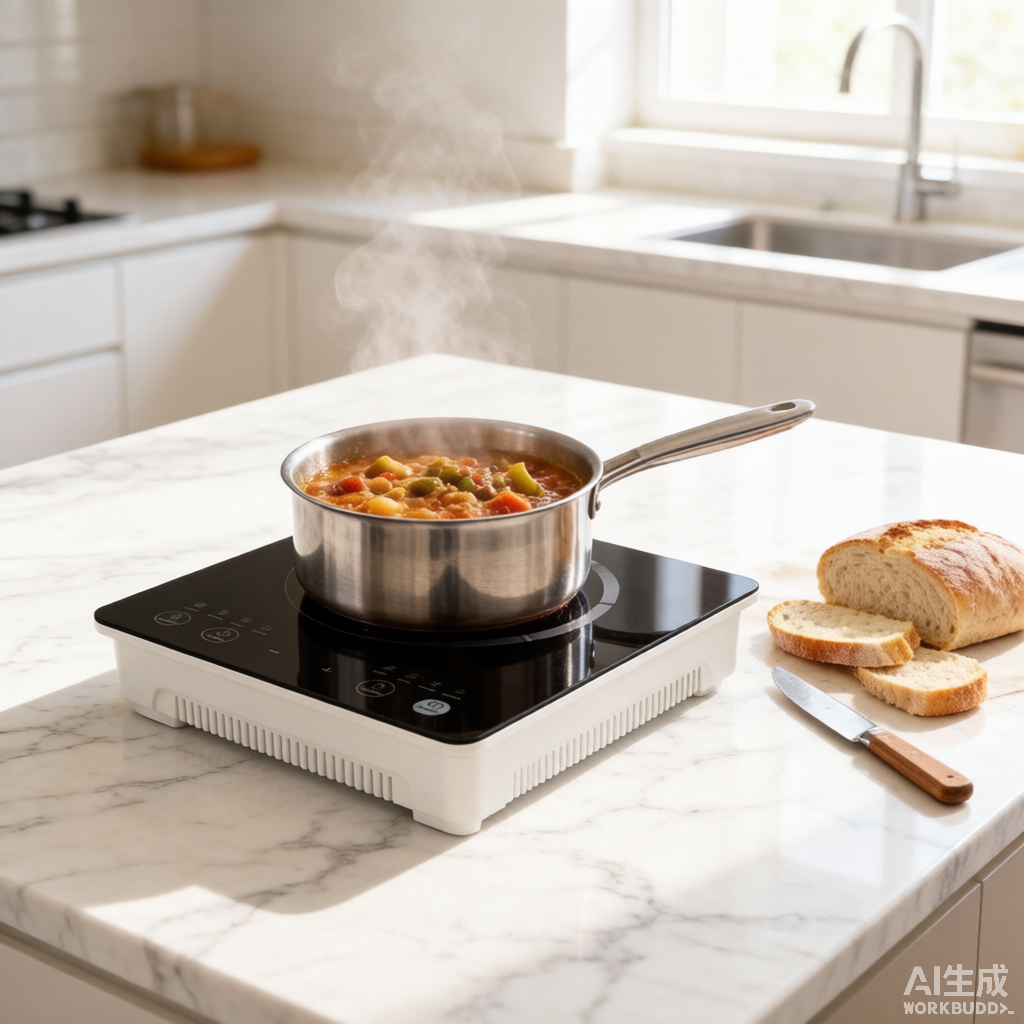 CUSTOMS
Your Container Is Held at Khorgos — the EAC Mark Most Central Asia Importers Miss
A Central Asia container held at the border for missing EAC. The TR CU mark that clears Kazakhstan and the EAEU.
Read article →Buying & Selling — decisions that protect your margin
BUYING DECISION
Induction vs Infrared Cooker: Which One Fits Your Market?
Most induction returns trace to one mistake: wrong cookware for the market. Match the technology to the pots your buyers already use.
Read article →
COMMERCIAL / FOODSERVICE
How to Build a Commercial Cooker Range Your Restaurant Clients Actually Reorder
In foodservice the win is the reorder. Spec by venue so your clients come back.
Read article →
CUSTOMER SUPPORT
Your Customer's Pot Won't Heat? The Cookware Trap Behind Most "It's Broken" Complaints
Most 'it's broken' induction complaints are the wrong pot. A magnet test on the box stops most returns.
Read article →
SELLING TO YOUR BUYERS
Gas to Induction: The Total-Cost Math That Closes the Sale with Your End Customers
Buyers say gas is cheaper until you show total cost of ownership. The math that closes the gas-to-induction sale.
Read article →
BUYING DECISION
Launch Your Own Cooker Brand with a China Factory — Without Losing Your Shirt
Want your own cooker brand but fear MOQ and IP risk? The OEM/ODM path that gets importers to market.
Read article →
SPEC / VOLTAGE
Half Your Market Can't Use the Cooker — the Voltage Line Most Importers Miss
Wrong voltage = a container of cookers that won't turn on. Lock the voltage to your market before production.
Read article →
BUYING DECISION
Your First MOQ Locks Your Margin — How Many Cookers Fit in a 20ft vs 40ft Container
Wrong first MOQ ties up cash or wastes container space. Use the 20ft/40ft loading math and this PO clause.
Read article → BUYING DECISION
OEM or ODM? Pick the Wrong One and You Pay for It Twice
OEM is fast and cheap. ODM is yours — but only if the mold and IP clauses are in writing. The terms that close the gap.
Read article → BUYING DECISION
Your Big Order Shipped 60 Days Late — the Production Schedule Most Importers Don't Lock
A delayed shipment misses your selling season and ties up cash. Lock the factory capacity and production milestones before you commit.
Read article →
AFTER-SALES / SPARES
Your Cooker Died After Warranty - and the Spare Part Doesn't Exist
A 2-year-old cooker dies and the spare part isn't available. The spare-parts plan that turns a warranty claim into a 20-minute fix.
Read article →
BUYING DECISION
Commercial vs Home Cooker: Pick Wrong and It Dies in 3 Months
A home-grade cooker in a restaurant dies in months. Spec commercial durability and a warranty that actually covers commercial use.
Read article → BUYING DECISION
Selling Cookers to High-Altitude Markets? Why 'Food Won't Cook' Isn't a Defect
Ship cookers above 1500 m and buyers say food won't cook. It's altitude, not a defect — spec higher wattage and stop the returns.
Read article →
BUYING DECISION
Wrong Wattage Cooker? The Power Mistake That Sends Restaurant Buyers Running
Wrong wattage = a wok station that can't keep up, or a unit that trips the breaker. Match power to venue before you order.
Read article →
BUYING DECISION
Induction vs Ceramic — the 'Change All Your Pots' Myth Behind the Returns
End customers think induction means buying all-new pots — so they send the stove back. Name the cooktop type and kill the myth before returns pile up.
Read article →
BUYING DECISION
Your Samples Pass, Your Bulk Fails — the BOM Swap You Never Signed
Returns spike months after launch because the factory swaps materials in bulk. Lock the BOM, seal a golden sample, and make substitution a breach.
Read article →
BUYING DECISION
Cheap Cooker, Expensive Year: the Warranty Math Most Importers Skip
Warranty cost decides which cooker quote is truly cheaper. Price the reserve before you sign and make the factory own early-life failures.
Read article → BUYING DECISION
Order Too Late, Miss the Season: the 90-Day Cooker Buying Calendar
Cash sits frozen for a year when cookers land after the season. Back-plan 90 days from the shelf date and split the year into two or three batches.
Read article →
BUYING DECISION
Your Generator Trips, the Cooker Gets Blamed: Sizing Power for Unstable Grids
A generator that trips at startup looks like a broken cooker. Size power at 0.8x generator kW, stagger startup, and ask the factory for soft-start specs.
Read article →
BUYING DECISION
Winter 'Dead Screens' in Russia & Central Asia — a Cold-Chain Gap, Not a Defect
Winter shipments to Russia and Central Asia arrive with black LCDs and brittle plastic — looks like a defect, but it's cold damage. Three PO specs stop the false returns.
Read article →
BUYING DECISION
Buyers Won't Switch Until They See the Bill: the Induction-vs-LPG Cost Card
End buyers won't switch to induction while LPG 'feels cheap' — until someone shows the running cost. A one-line cost card moves your stock off the shelf.
Read article → BUYING DECISION
Your Logo on the Wrong Box: the Private-Label Mix-Up That Sinks a Launch
Your logo ends up on the wrong box, or mixed models ship in one container — the whole batch gets rejected. Signed proofs and one loading gate stop the private-label mix-up.
Read article →
BUYING DECISION
Your Buyers Fear 'Radiation' — and Walk Away From the Sale
Your buyers hear 'induction' and think 'radiation' — and walk away. One plain factual line on your listing dissolves the fear and recovers the sale.
Read article →
BUYING DECISION
Your Shelf Goes Empty in Week Two — and the Season Is Gone
Your shelf empties in week two of peak season and the sales vanish. A safety buffer sized to weekly sell-through, reordered on a fixed rhythm, keeps you stocked through the rush.
Read article →
BUYING DECISION
Your Demo Crashes in Front of the Buyer — and the Order Dies
A live demo crashes in front of the buyer and the order dies. A ten-minute pre-show test run — power on, heat water, match voltage and language — turns the sample into a closing tool, not a return.
Read article →