The cooker that looks fine on your shelf can quietly become your biggest return driver — and most importers only find out after the container lands. The one factor that decides it is the cookware your market already owns.
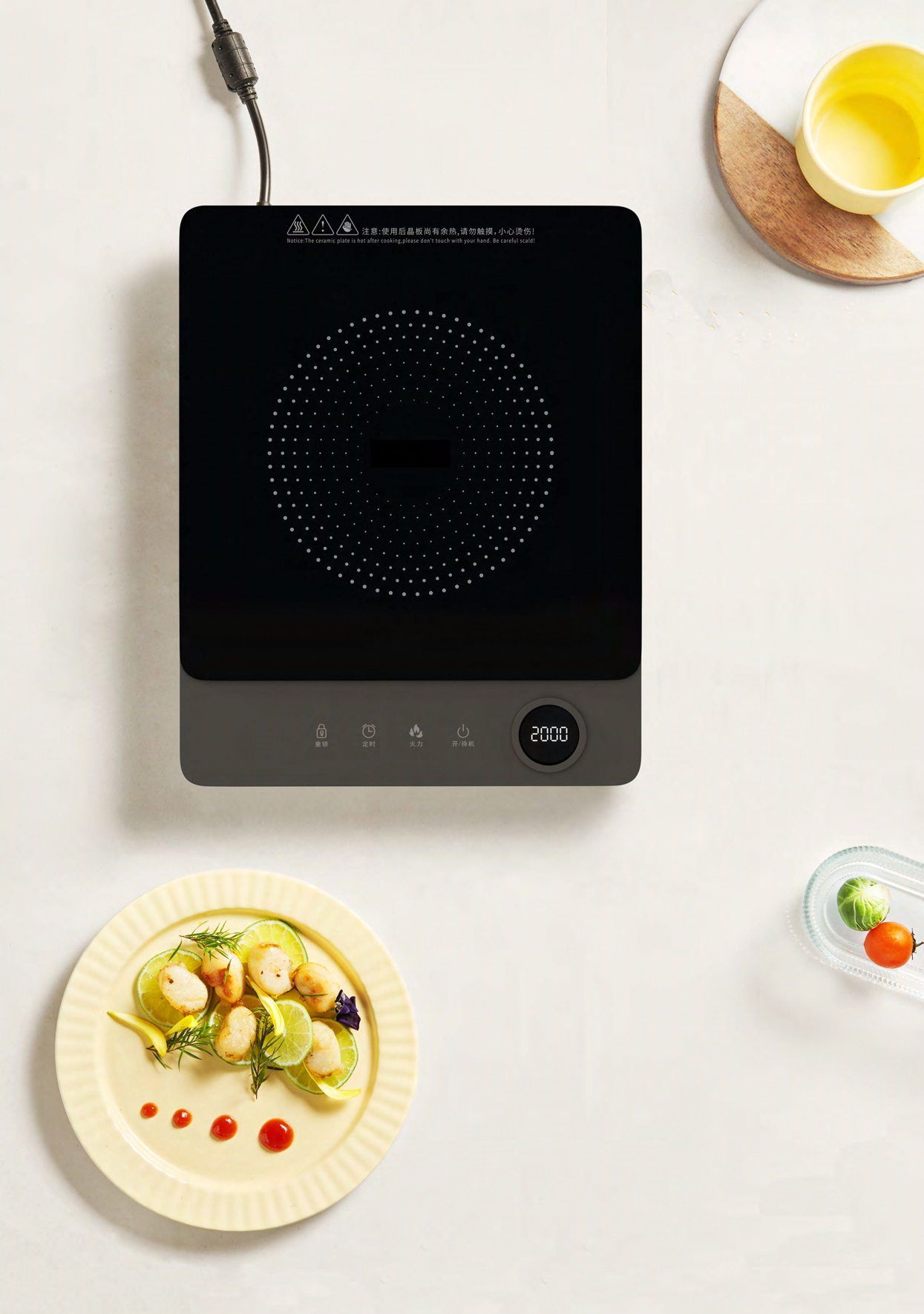
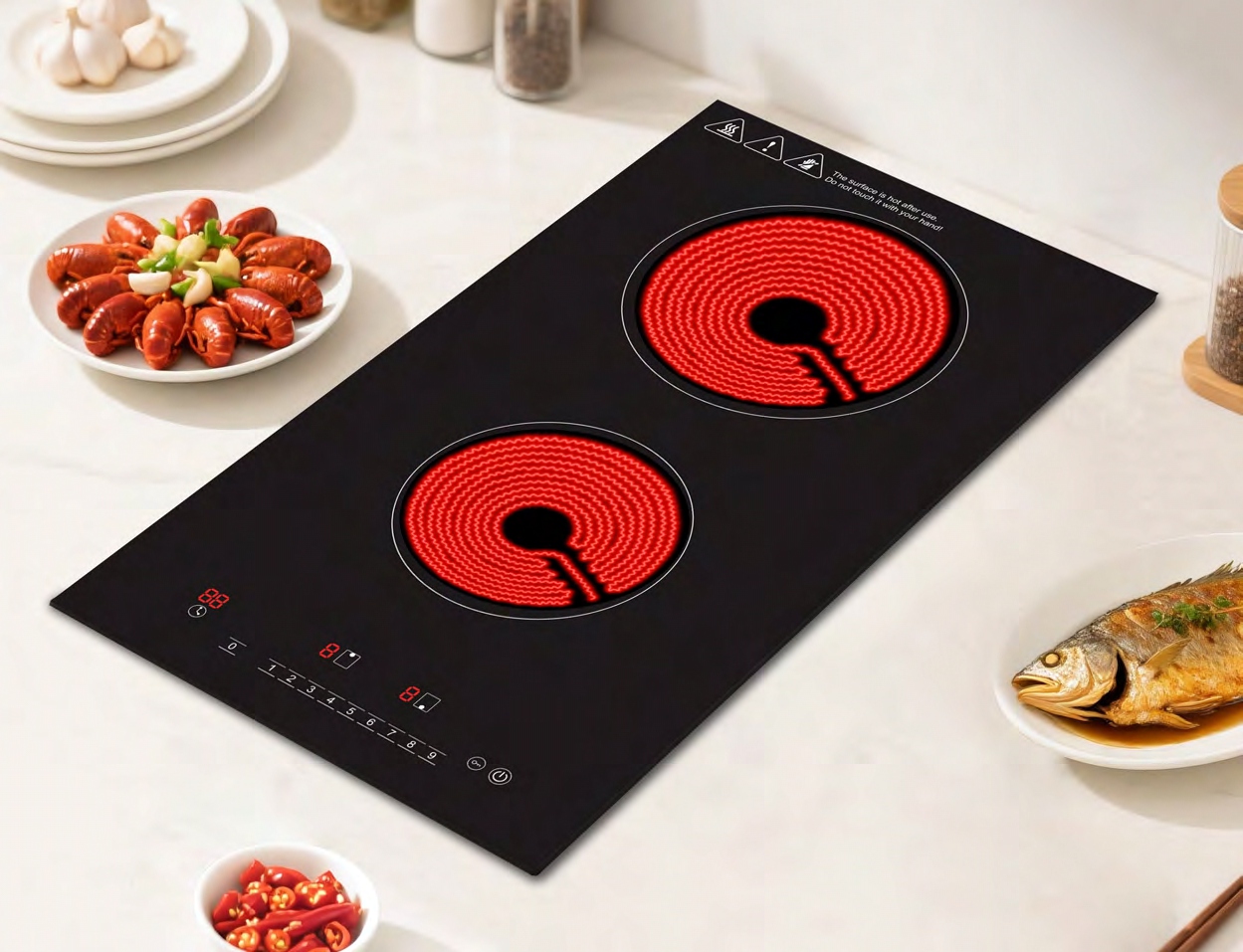
In much of Africa and Southeast Asia the default pot is aluminum, which is not magnetic. Put it on an induction cooker and the unit reads "no pot" and shuts off. To the customer that reads as "broken," and "broken" becomes a return and a bad review. Infrared heats any pot, so it removes that entire return category.
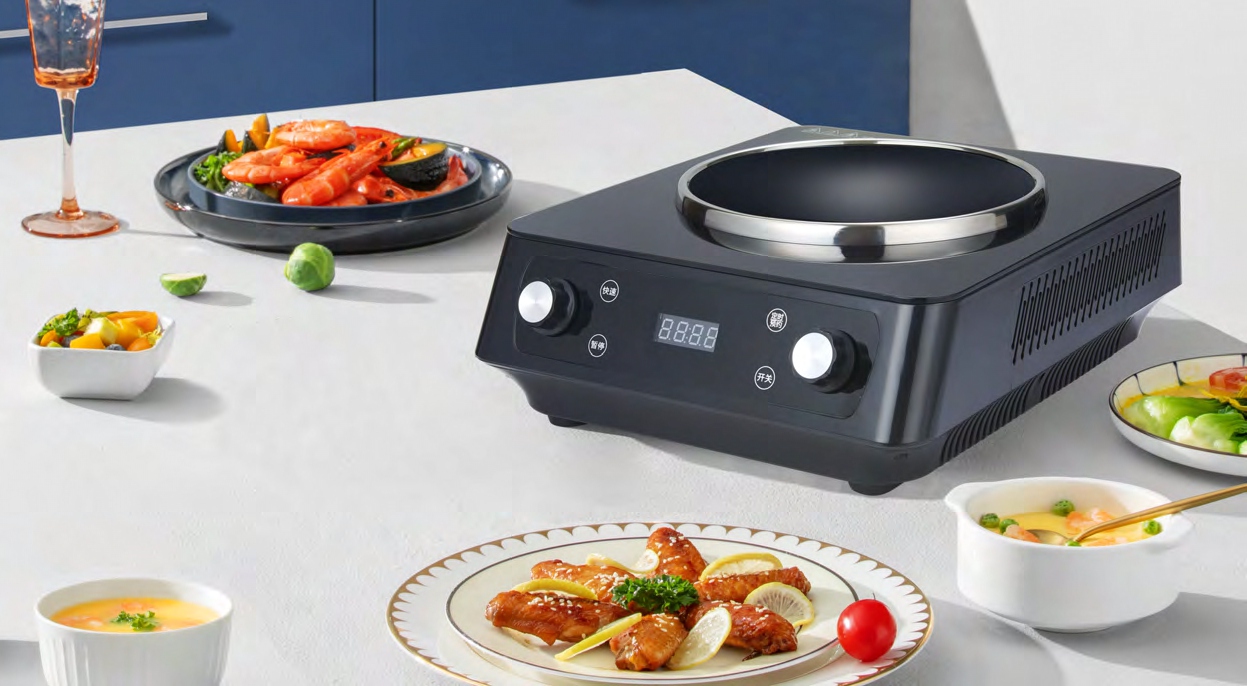
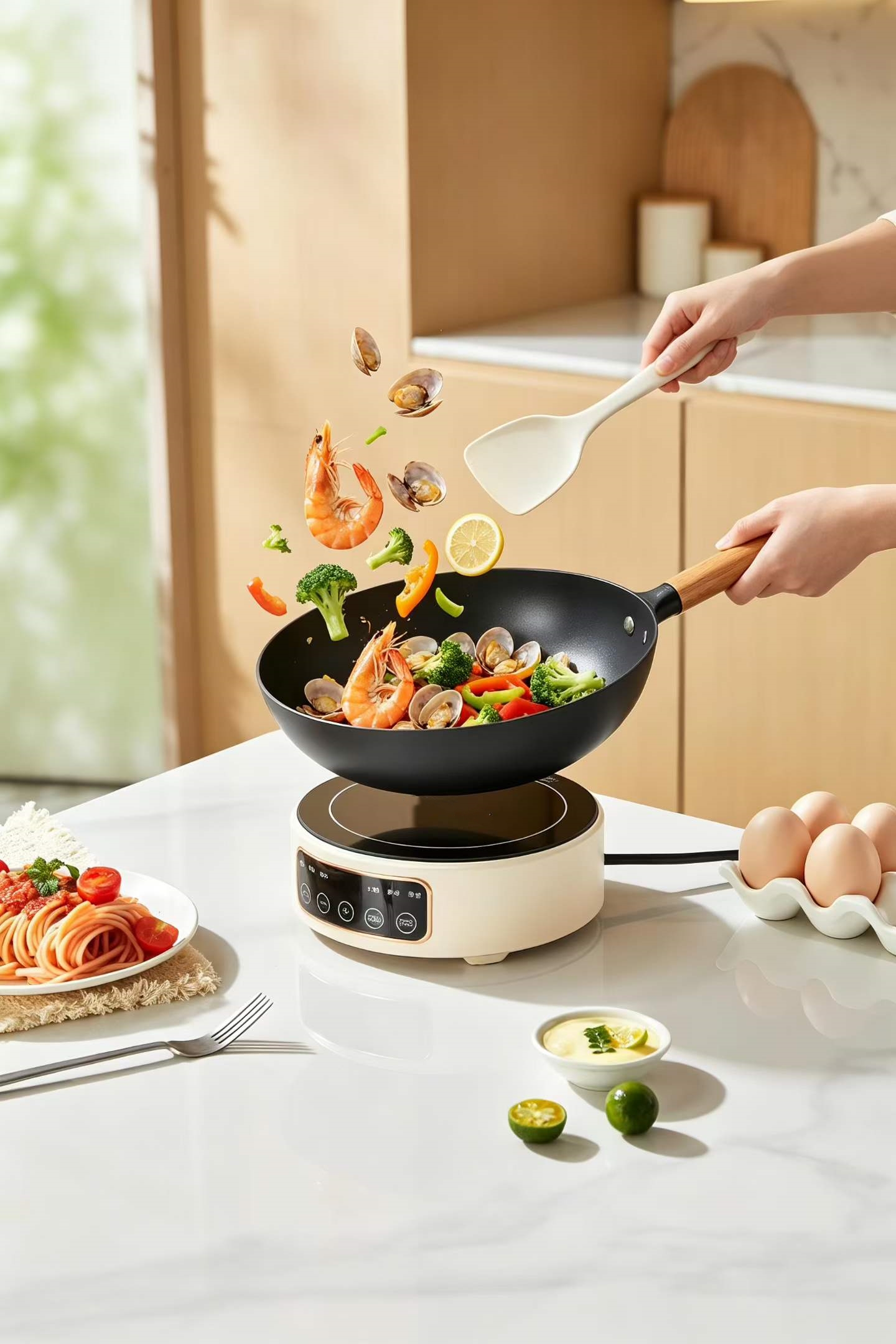
In Central Asia and Russia, magnetic-bottom pots dominate, so induction sells as the modern, premium, faster, more efficient option. The mistake is mixing the logic: don't pitch induction where aluminum rules, and don't pitch infrared where buyers expect the induction story.
Match the technology to the pots your customers already use. Your return rate — not your spec sheet — tells you which one fit.
Not sure which mix your market will buy?
Tell us the cookware habits and price tier of your target customers — we'll propose an induction/infrared split matched to your market.